Buying a vehicle from the United States is a different process from buying a locally new car, and many of the questions we hear are about how it all works. This guide explains what we have learned from sourcing, importing and selling vehicles in New Zealand. If you are comparing American cars for sale in NZ, the sections below cover the models people ask about, the import process, the checks worth making and the costs to plan for.
Why New Zealanders Look At American Vehicles
American cars have a following here for practical reasons as well as nostalgia. Most of the buyers we speak with mention a mix of the following:
V8 engines and Rear Wheel Drive layouts that are hard to find in the local new car market
Wide model choice across muscle cars, trucks and 4x4s
Strong aftermarket support for parts and upgrades
Styling that has stayed recognisable for decades
Pricing that can be competitive against European performance cars of similar output
American vehicles are usually larger and thirstier than what many Kiwis drive daily, so it helps to be honest about how you plan to use the car before you start looking.
Popular Models We Are Asked About
Most enquiries to us fall into a handful of nameplates. Each has a different character, so it is worth knowing what separates them.
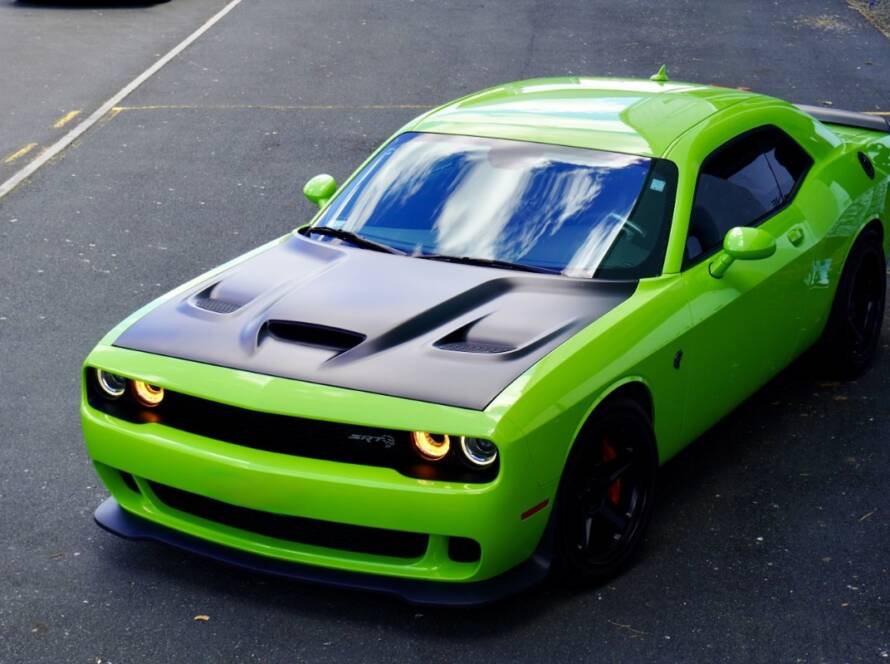
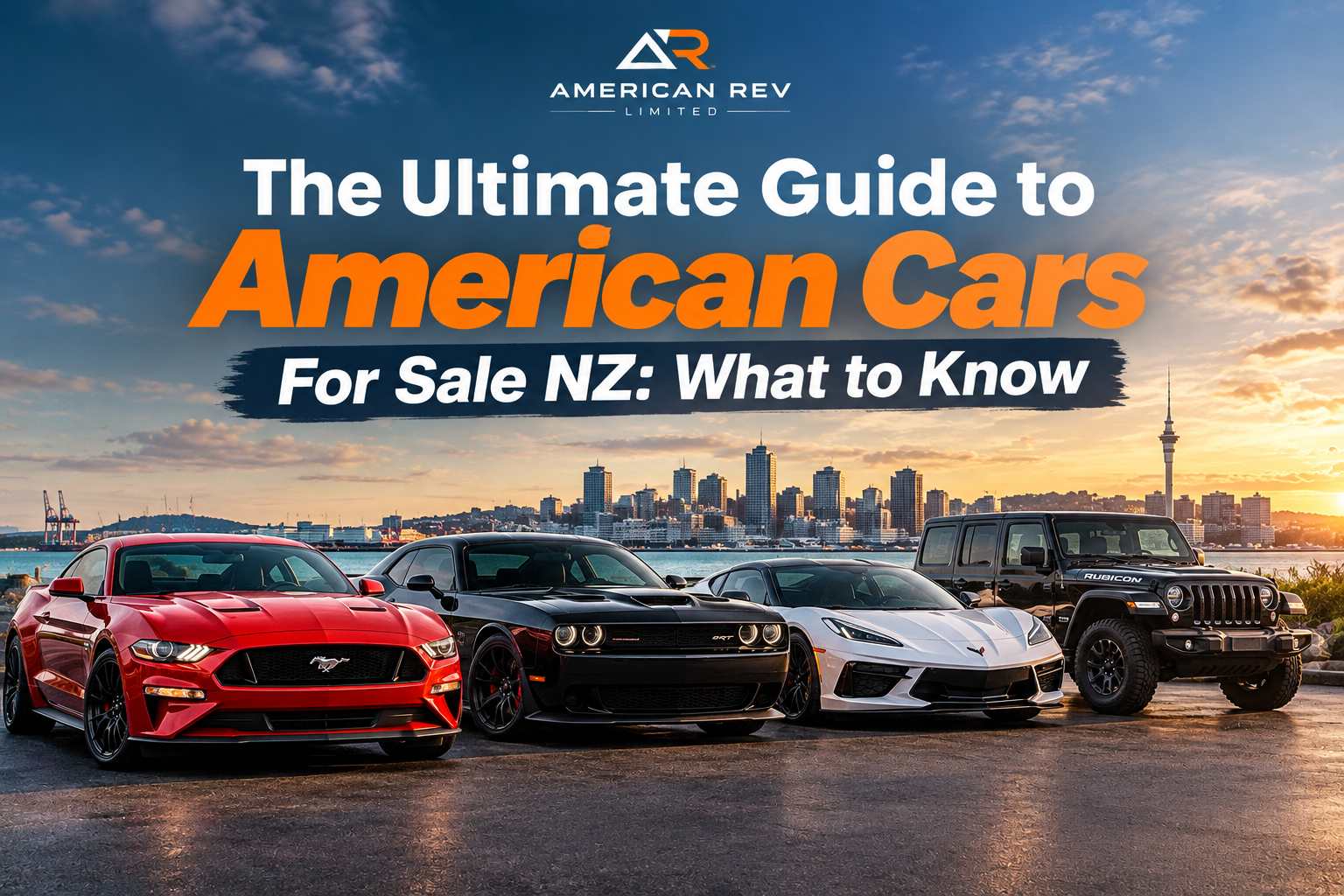
The Ford Mustang is the most common starting point. It is available with a turbocharged four-cylinder EcoBoost engine or the 5.0-litre V8 in GT form, so the range suits both budget-conscious buyers and those wanting more power. The Dodge Challenger leans towards the traditional muscle car feel, with a roomy cabin and engines ranging from the 5.7 litre HEMI in the R/T to the supercharged Hellcat. The Chevrolet Camaro tends to attract buyers who prefer sharper handling, and the ZL1 sits at the track-focused end of the range.
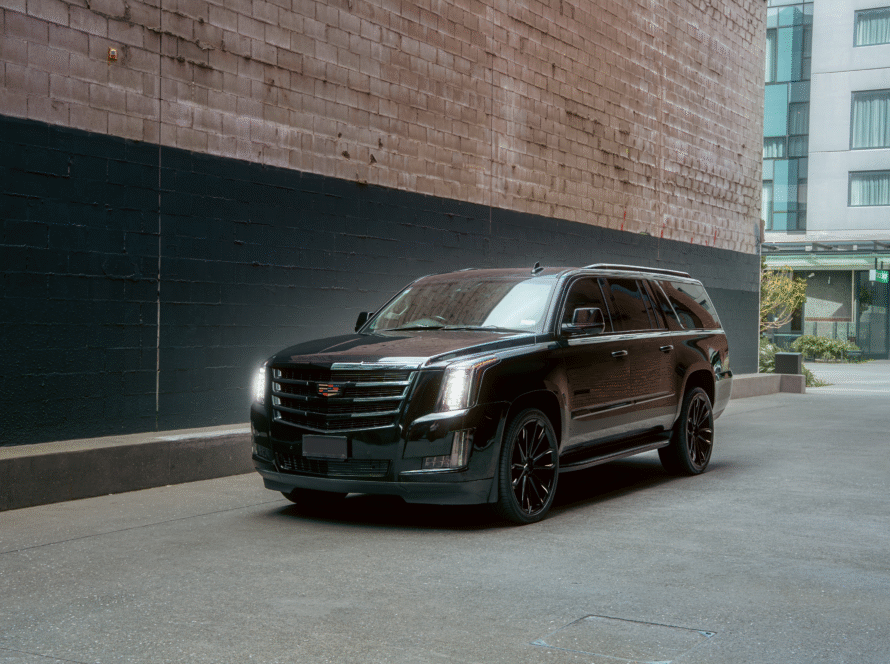
Beyond coupes, we also handle the Dodge Charger for those needing four doors, along with the Jeep Wrangler and Gladiator for off-road use. Full-size SUVs such as the Cadillac Escalade come up as well, mostly from buyers who need space for a larger family.
If you are searching for American muscle cars for sale in NZ, keep in mind that model year matters. Changes in safety features, infotainment and engine output between generations can affect both price and daily usability.
How The Import Process Works
Importing a vehicle involves several regulated steps. The exact order can vary with the vehicle and its history, but the general path looks like this:
Source the vehicle in the United States and check its title, service history and any recorded damage.
Arrange inspection and purchase, including payment and export paperwork.
Ship the vehicle to New Zealand, usually by container to Auckland.
Clear NZ Customs and Biosecurity, including cleaning requirements for the underbody and interior.
Pay applicable GST and any clean vehicle charges that apply to the vehicle.
Complete entry certification with a certifier approved by the NZ Transport Agency.
Carry out any required modifications, including conversion work where necessary.
Register the vehicle, obtain a warrant of fitness and licence it for the road.
Timeframes depend on shipping schedules, biosecurity inspections and workshop availability, so we advise buyers to treat any estimate as a range rather than a fixed date. Regulations also change from time to time, so it is sensible to confirm current requirements with the relevant agencies before committing.
Custom Car Import For Auckland Buyers
Some buyers know exactly what they want, such as a particular colour, trim level or engine. In those cases a vehicle already in stock may not match, and sourcing to order becomes the better route. Our approach to custom car import for Auckland buyers is straightforward. We confirm the specification with you, search the American market for matching vehicles, report on condition and history, and handle the import steps outlined above.
For anyone considering this option, our personalised order service explains how requests are handled from the first conversation through to delivery. We keep the process transparent, which means sharing inspection findings and costs as they become known rather than after the fact.
There are trade-offs. A vehicle sourced to order takes longer than one already in the country, and prices in the United States can shift between your request and the purchase. We discuss both openly at the start.
What To Check Before You Buy
Whether you are buying from us or anywhere else, a careful checklist prevents most of the problems we see. Here is what we recommend looking at:
Vehicle history reports, including odometer readings and accident records
Evidence of regular servicing and any outstanding recalls
Paint condition, panel gaps and signs of previous repairs
Tyre wear patterns, which can point to alignment or suspension issues
Condition of the brakes, especially on higher output models
Rust on the underbody, particularly for vehicles from regions where roads are salted in winter
Compliance status and whether entry certification paperwork is complete
Modification history, since some aftermarket changes affect insurance and compliance
Ask for documents rather than relying on verbal assurances, and where possible arrange an independent inspection. A good seller will not object to either request.
Once you have narrowed your shortlist, the next question is usually how to pay for it. We have set out the options on our financing information for buyers who want to understand repayment structures before they decide.
Understanding The Real Cost Of Ownership
The purchase price is only part of the picture. When budgeting for an American vehicle, think about these ongoing costs:
Fuel, since larger V8 engines use considerably more than most modern daily drivers
Insurance, which can be higher for performance models and varies between providers
Tyres, as wide performance tyres cost more to replace
Servicing, where parts availability and specialist labour rates matter
Registration and road user charges that apply to your vehicle type
We encourage buyers to get insurance quotes before purchase rather than after. Premiums often differ more than people expect between a standard Mustang and a widebody Challenger, and knowing the figure early avoids surprises.
Choosing A Supplier You Can Rely On
The supplier you choose affects your experience as much as the car does. Look for clear written terms, a willingness to share vehicle documents, and straightforward answers about compliance. We are happy to answer questions about any vehicle in our range, including its history, condition and what work has been carried out.
If you want to talk through your options, the team at American Rev Limited can walk you through available vehicles, the import timeline and the likely costs. There is no obligation to proceed, and we would rather you have the full picture before deciding on this size.
Frequently Asked Questions
Timeframes vary with shipping schedules, biosecurity inspection, certification and any conversion work. Most imports take several weeks to a few months from purchase to registration, and we give a range specific to each vehicle.
Costs depend on the model. V8 performance vehicles typically cost more for fuel, tyres and insurance than a standard family car. Mustang EcoBoost and Jeep models are often cheaper to run than a Hellcat or similar high-output option.
Many do. Requirements depend on the vehicle and its specification, and may include lighting, speedometer or steering changes. Certification confirms that the vehicle meets New Zealand standards before registration.
Yes. We can source a vehicle in the United States that matches your preferred model, year, colour and specification, then manage the import. This takes longer than buying a vehicle already in New Zealand.
Ask for the vehicle history report, service records, compliance paperwork and a clear breakdown of all costs. Also ask about any accident history and whether the vehicle has been modified from factory specification.